What Does Abundance Smell Like?
I used to think abundance meant knowing all the options and choosing the best one.
Lately I've been thinking about a piece of cake from a dream.
It sat in a plastic container with lemon-whipped-cream frosting smeared along the sides. At some point it had been picked up, turned upside down, handled by curious hands searching for a price tag. It was no longer pristine.
But I still wanted it.
In my mind it still tasted wonderful.
The interesting part wasn't the cake itself. It was the moment before the price was revealed.
There was no barcode.
A cashier had to come over with a special code.
And suddenly I found myself wondering:
What if it costs three times more than I imagined?
Would I still want it?
Should it be discounted because it had been handled?
Or was it still exactly what it always was?
The dream took place in a grocery store overflowing with possibilities. There were other cakes, other drinks, other interesting things to try. But I wasn't trying to buy everything.
The cave waiting for me by the sea had limited space.
There was no refrigeration.
Some things would spoil before they could be enjoyed.
The challenge wasn't finding more options.
The challenge was deciding what deserved a place in the cave.
Now I'm beginning to suspect modern life is partially designed to prevent the feeling of "enough" from ever fully arriving.
The moment you choose what seems like the best option given what you currently know, ten more highly tailored advertisements appear offering:
more comfort,
smarter optimization,
improved flavor,
more energy,
increased productivity,
better sleep,
deeper on-demand calm,
more connection,
more identity resonance,
more brand alignment.
The horizon keeps moving.
Meanwhile the nervous system quietly absorbs the message:
you are still unfinished.
Still under-equipped.
Still one purchase away from relief.
But I think we need more reminders of the abundance we already possess.
Cold, clean water.
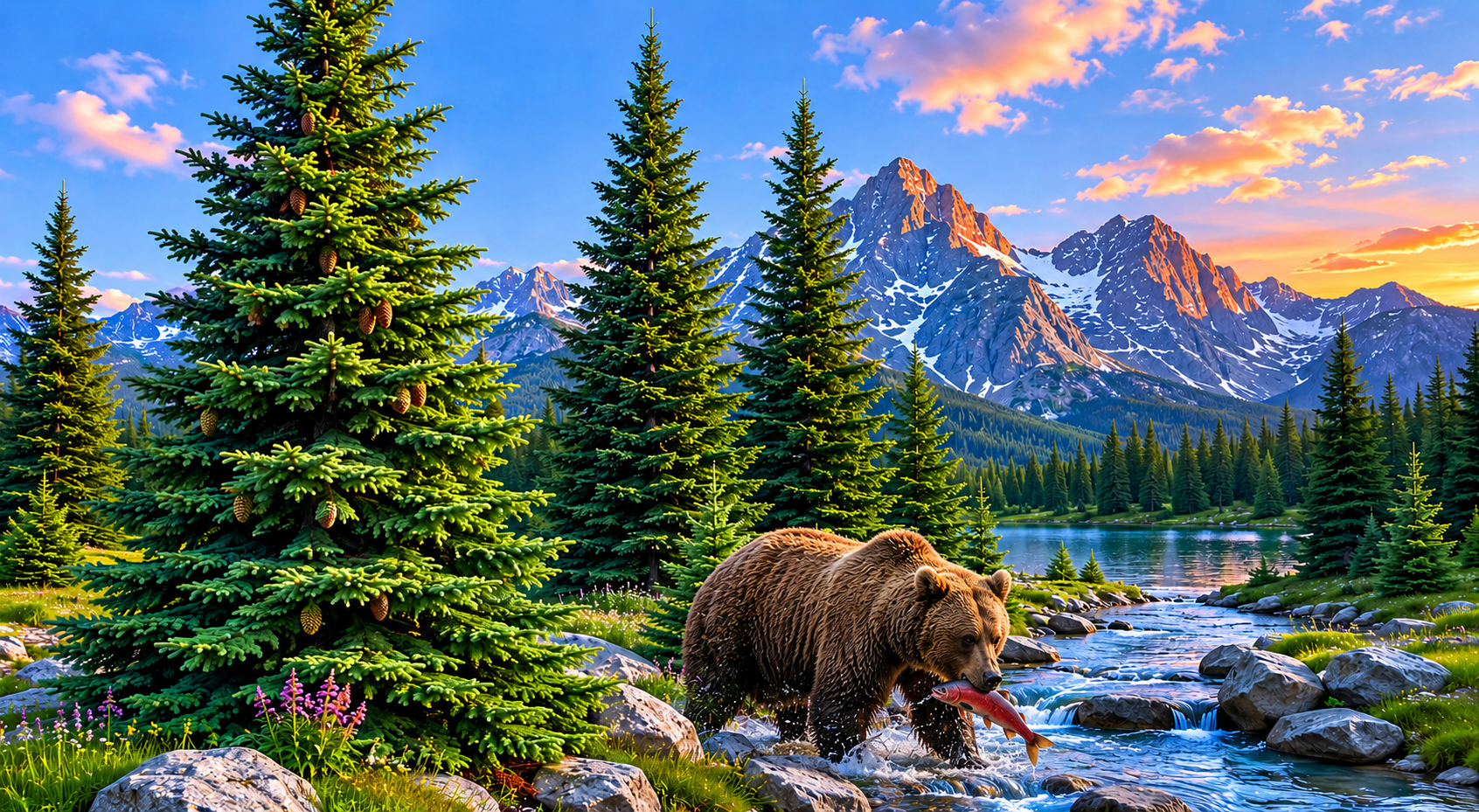
Salmon still returning upstream.
A functioning ecosystem.
Communities capable of maintaining the spaces they share.
The feeling that enough already exists, if we can learn how to care for it.
Maybe abundance is less about accumulation and more about circulation.
A forest does not become healthy by hoarding all fallen material forever.
It metabolizes.
Redistributes.
Decomposes.
Returns nutrients to the larger system.
Nothing useful remains stranded indefinitely.
Human civilizations need similar capacities.
Not just ways to create wealth, products, and opportunities, but ways to circulate them.
Ways for abundance to keep moving instead of becoming stranded.
Ways for waste to leave the system before it becomes pollution.
Ways for people to remain connected to dignity, usefulness, and participation before isolation hardens into crisis.
Healthy systems are not defined by what they accumulate.
They are defined by what they can circulate.
Otherwise deferred costs begin collecting quietly in the body of the world.
In the soil.
In the water.
In public spaces.
In overloaded infrastructure.
In people.
Eventually reality performs its own audit.
The bill arrives.
The hidden costs appear.
The barcode scans anyway.
Not as punishment.
Simply as a reminder that every system keeps books, whether we choose to read them or not.
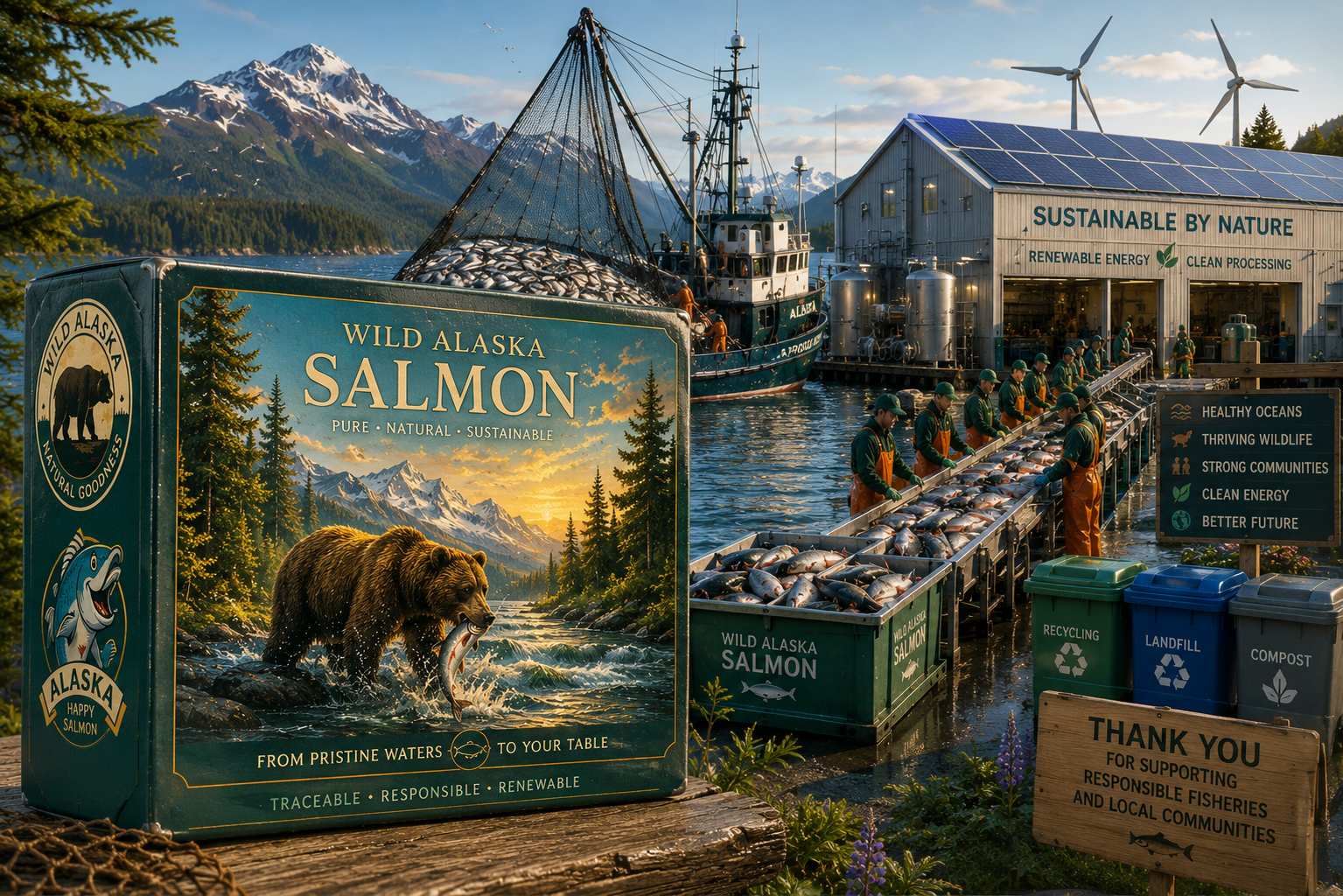
Hopefully, the picture and the reality smell the same. 🌲🐻🐟